
💡 The Plain-English Definition
No-KYC bitcoin is bitcoin acquired without submitting identity documents to a regulated exchange. It preserves a privacy property that KYC’d bitcoin permanently lacks: your Bitcoin addresses aren’t linked to your legal identity from the moment you buy.
🤔 But Why Though?
When you buy bitcoin on a regulated exchange under KYC (Know Your Customer — the identity check that requires government ID, proof of address, and sometimes biometrics), you create a permanent link: your legal identity is tied to the Bitcoin addresses on your account. Chain-analysis firms can then trace every transaction from those addresses — and the moment you send that bitcoin anywhere, the trail follows it. The link is permanent and can’t be undone.
No-KYC acquisition avoids that link from the start. The main methods each have tradeoffs.
Peer-to-peer exchanges (Bisq, Robosats, HodlHodl) match buyers and sellers directly, with no central custodian — you pay by cash, bank transfer, or gift card, and receive bitcoin directly. Liquidity is lower, and premiums over the market price are common (typically 1–8%).
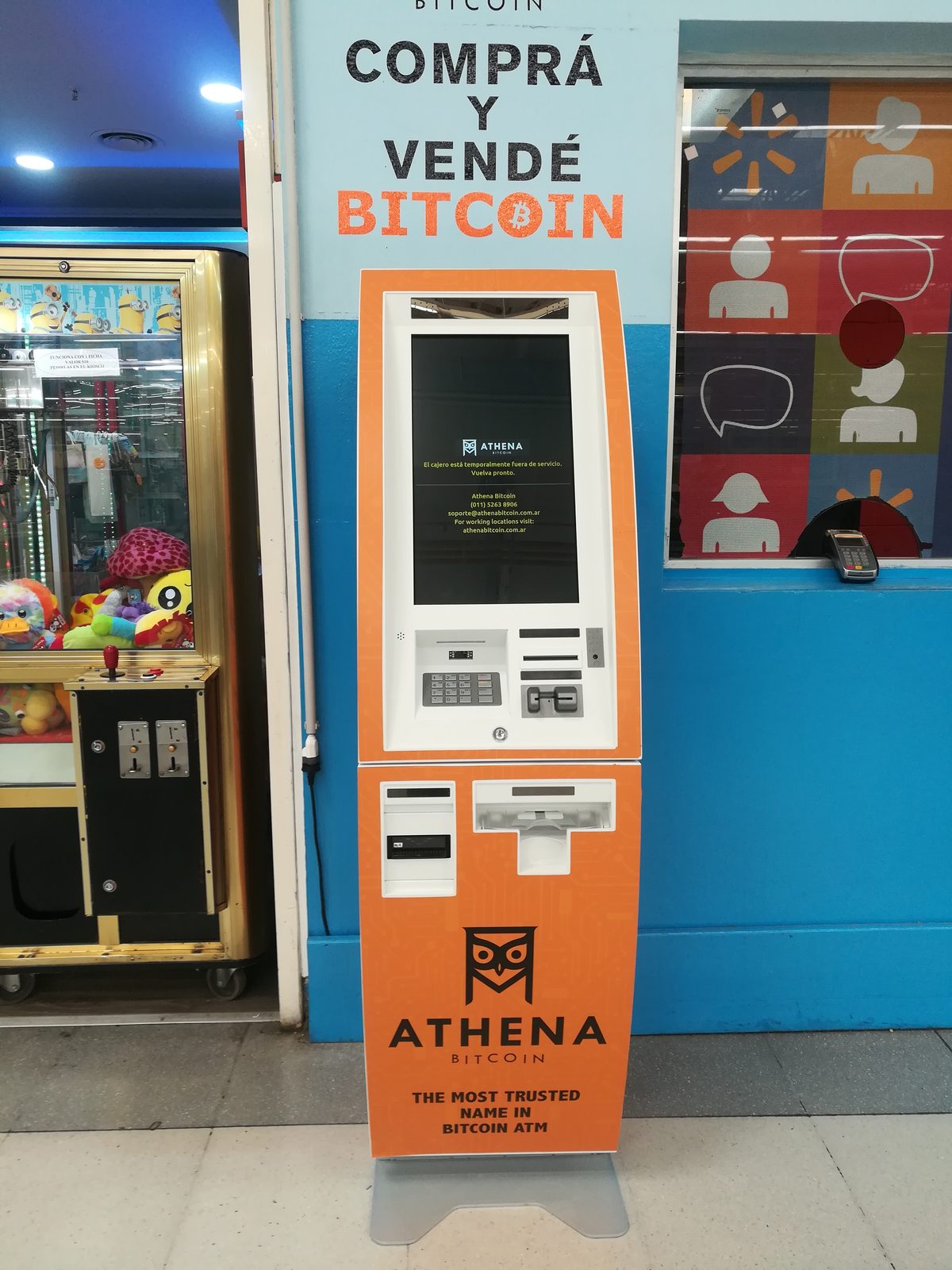
Bitcoin ATMs take cash and return bitcoin, with KYC thresholds that vary: many ask for nothing below a certain amount, a phone number above that, and full ID above higher limits.
**Mining** produces bitcoin with no purchase history at all — the most private way to acquire it, but it takes real investment in hardware and electricity.
Earning bitcoin directly for goods or services creates a different kind of paper trail but avoids the exchange-KYC link.
The legal status of no-KYC acquisition varies by country but is generally legal — there’s no general requirement to use KYC exchanges, only a requirement for the exchanges themselves to run KYC on their customers. And tax applies no matter how you acquire bitcoin — the method affects your privacy, not your tax bill.
🌍 The Real-World Analogy
Paying cash at a shop versus paying by card. The transaction itself is the same — you get the goods, you hand over money. But the card leaves a permanent record of the purchase linked to your identity. The cash payment doesn’t. No-KYC bitcoin is that cash transaction: the exchange still happens, just without the identity trail a regulated exchange creates.
⚡ So What?
For most casual holders in stable countries, KYC on a regulated exchange is a reasonable tradeoff for the convenience and liquidity it offers. For holders who prioritise privacy — for personal, philosophical, or jurisdictional reasons — no-KYC options exist and are worth understanding. The premium you pay, in price or convenience, is the cost of preserving the privacy that Bitcoin’s pseudonymous design intended from the start.