
💡 The Plain-English Definition
A routing node is a Lightning Network node that earns fees by forwarding payments between other users — acting as infrastructure that connects the network and lets payments reach recipients the sender has no direct channel with.
🤔 But Why Though?
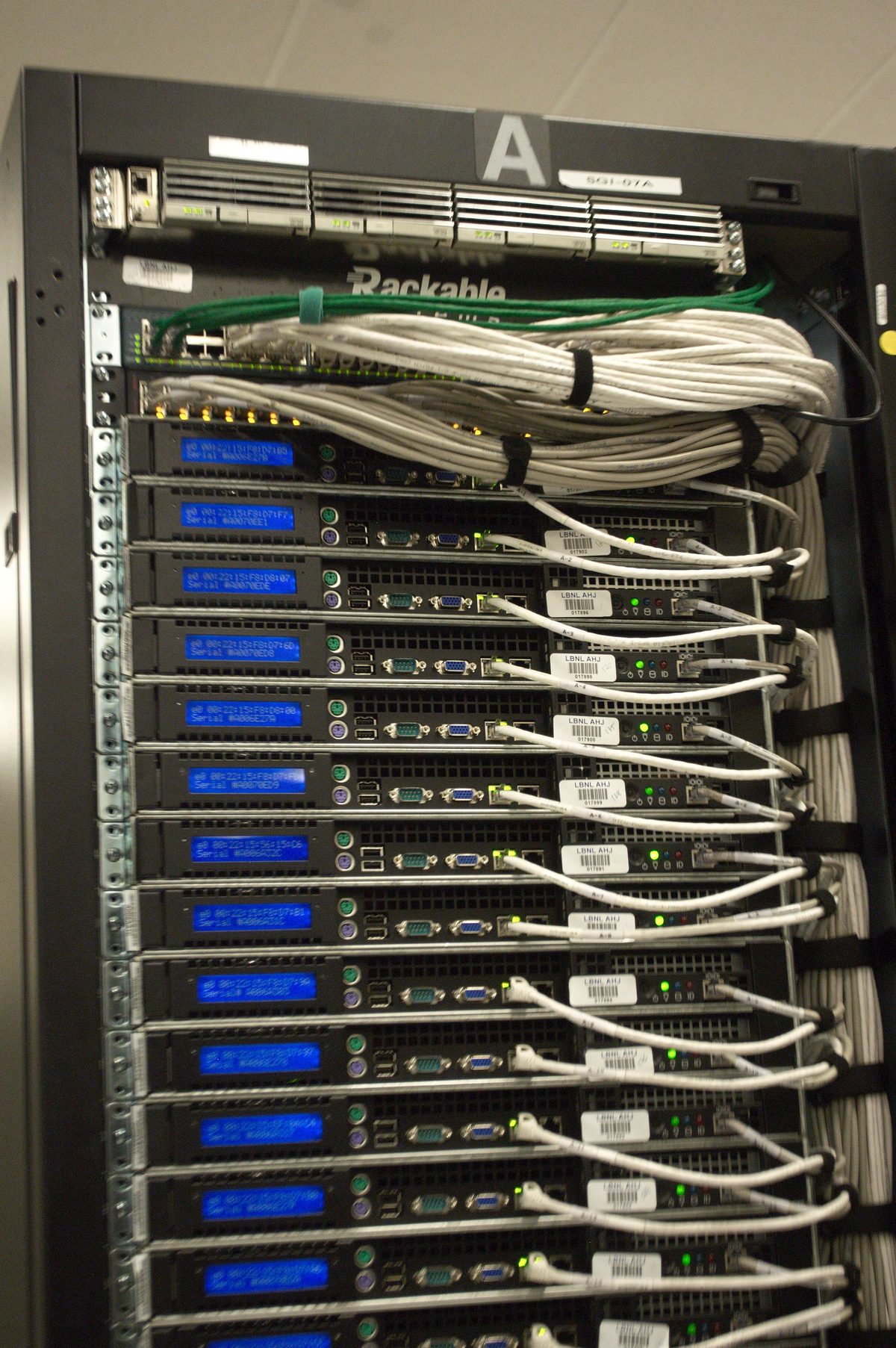
Not every Lightning user has a direct channel with every person they want to pay. Lightning solves this by routing payments through intermediate nodes — each one forwarding the payment a hop closer to the recipient and collecting a small routing fee in return. Routing nodes are those intermediaries: they commit capital to well-placed channels, keep their nodes online and well-connected, and earn fees in proportion to the payment flow they handle.
The economics need careful thought. Revenue comes from routing fees — tiny amounts per payment. The capital cost is real: bitcoin locked in channels earns nothing elsewhere and can only be freed by closing the channel on-chain, and the on-chain fees to open and close channels eat into profit. To make it work, you need enough payment volume through well-managed, balanced channels to earn a meaningful return on the locked capital.
Running a profitable routing node means: choosing well-connected channel partners (nodes with lots of connectivity and varied routes); keeping channels balanced (neither too full nor too empty on your side — either extreme stops you routing); watching the fee market and adjusting your policies to stay competitive; and keeping the node reliably online. Tools like LNDg, Ride The Lightning, and Thunderhub help operators manage all this.
Most casual holders have no reason to run one. It’s an active business that takes technical skill and ongoing management, not a passive investment. But for technically capable enthusiasts who want to contribute to Lightning’s infrastructure while earning sats, it’s a meaningful option.
🌍 The Real-World Analogy
Think of a routing node like a small depot in a courier network. The depot doesn’t originate or receive most of the packages it handles — it forwards them along. Its value comes from being well-located, well-connected to other depots, and reliably open. It charges a small handling fee per package. If it’s inefficient, unreliable, or too expensive, couriers route around it. A well-run depot in a busy spot handles high volume and earns steady fees; a poorly placed one handles very little and earns almost nothing.
⚡ So What?
Running a routing node is a serious commitment, not a set-and-forget side income. If you’re technically capable and genuinely interested in Lightning’s infrastructure, running one adds real value to the network and can earn modest returns — but go in clear-eyed about the time, capital, and operational complexity involved. For most holders, understanding routing nodes mainly matters for appreciating why Lightning’s payment infrastructure exists, and why it works reliably across a global network.