
💡 The Plain-English Definition
A mining pool is a group of miners who combine their computing power to find blocks together and share the rewards in proportion to what each contributed. Solo mining is possible, but the income is wildly unpredictable — a pool smooths that into a steady stream.
🤔 But Why Though?
Bitcoin mining is probabilistic — a matter of chance, like buying lottery tickets. A solo miner with 0.01% of the total network hash rate (all the computing power aimed at mining) would, on average, find a block about once every 10,000 blocks, or roughly once every 70 days. But “on average” means little in practice: they might find three blocks in a week, or go six months finding none. That swing is enormous, which makes solo mining impractical for all but the largest operations.
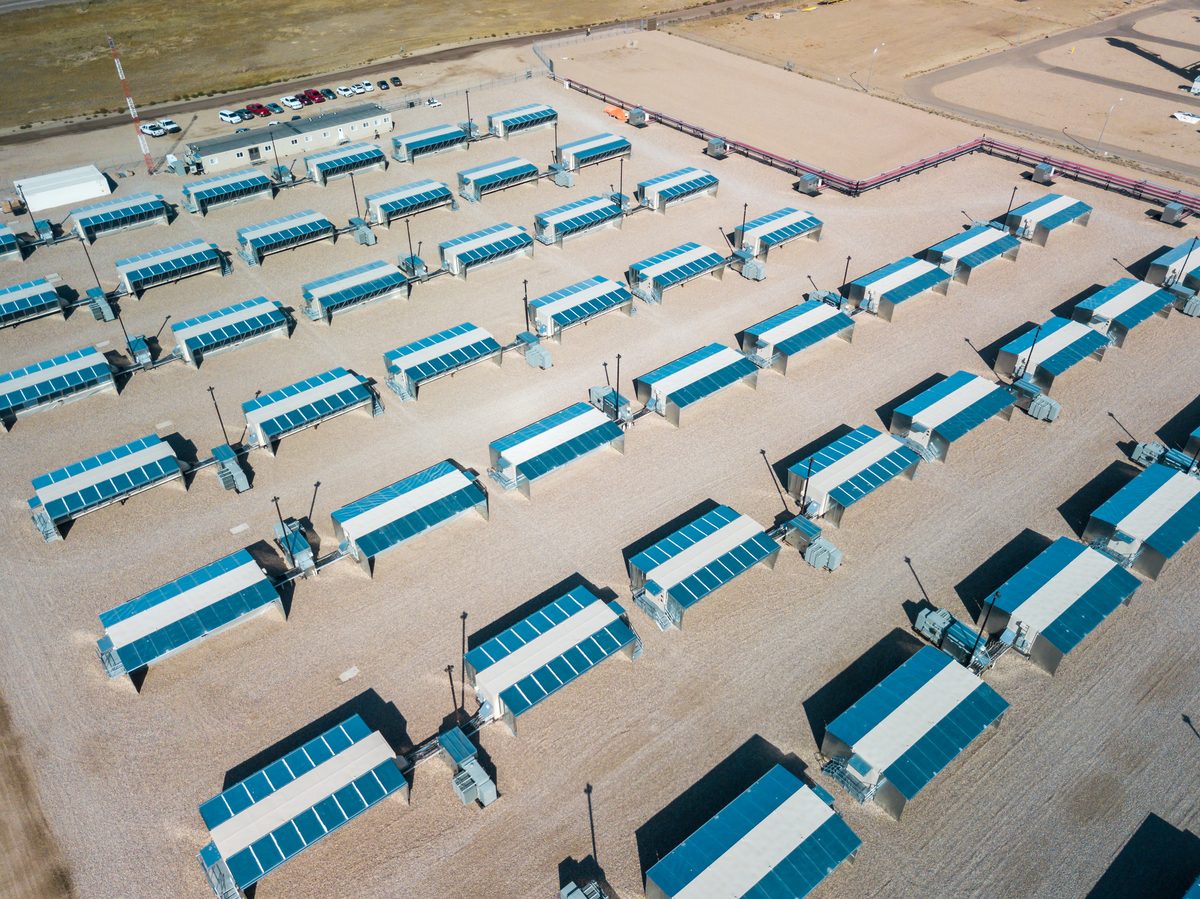
A mining pool combines the hash rate of thousands of miners. Each one works on a slightly different candidate block — a block that isn’t valid yet — and when any of them finds a valid solution, the pool collects the block reward and splits it among all members in proportion to the work each contributed. Payouts become small and frequent instead of huge and unpredictable, turning the lottery into something more like a salary.
The serious concern is centralisation — control gathering in too few hands. Pool operators decide which transactions go into the candidate blocks. Under the current Stratum protocol — the communication standard between a pool and its individual miners — miners just supply raw hash power, and the operator chooses the transactions. That means five or six pool operators effectively decide which transactions get confirmed worldwide, which is a censorship risk and a political weak point.
Stratum V2 — the next-generation mining protocol, being gradually adopted as of 2026 — changes this by letting individual miners choose their own set of transactions, handing that power back from operators to the machines doing the actual work. Geography matters too. Before 2021 the landscape was dominated by Chinese pools; after China’s mining ban it spread out considerably, with Foundry USA, Antpool, and F2Pool among the largest as of 2026.
🌍 The Real-World Analogy
Think of a mining pool like a fishing co-operative. Solo fishing works — but some weeks you catch nothing, and other weeks you land a huge haul. The co-op combines everyone’s boats and effort, then splits the total catch among members in proportion to the time each put in. Predictable income replaces lottery-like swings. The trade-off: the co-op committee decides where to fish — which transactions to include — and individual fishermen don’t choose their own waters unless the co-op changes its rules.
⚡ So What?
Mining pools matter to Bitcoin holders because pool concentration is a real governance risk. Five or six operators deciding which transactions get included isn’t the decentralised system the protocol was designed for. Stratum V2 adoption is the key thing to watch — it shifts power from pool operators back to individual miners. If you’re weighing Bitcoin’s long-term censorship resistance, keeping an eye on how hash rate is spread across pools and countries is useful context.