💡 The Plain-English Definition
Bitcoin moves in recurring market cycles — multi-year patterns of accumulation, bull run, peak, and bear market — driven mainly by the halving schedule and the psychology of adoption. Understanding the cycle doesn’t tell you when to buy, but it tells you where you are.
🤔 But Why Though?
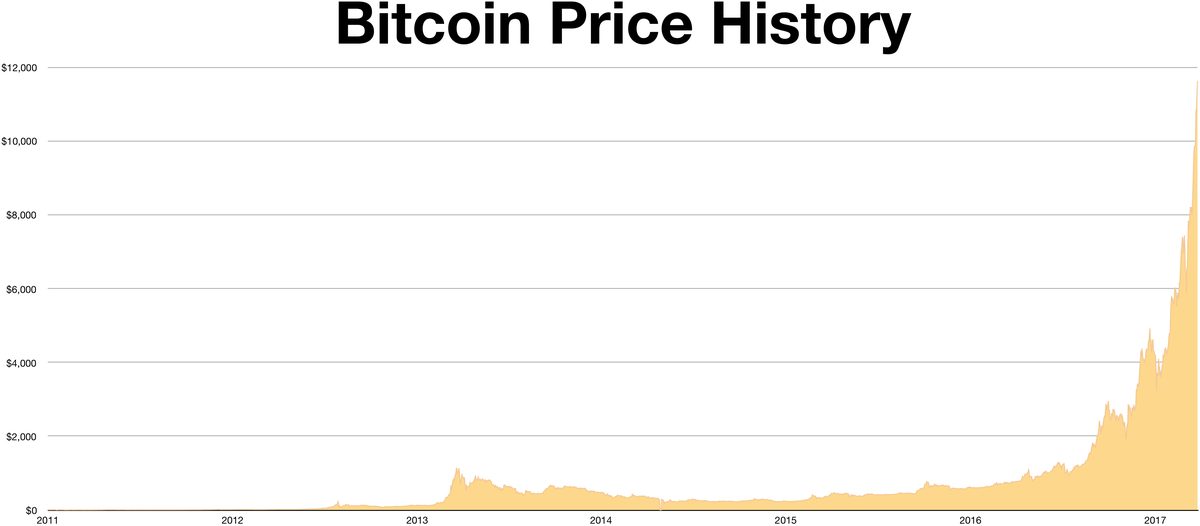
Bitcoin’s four-year cycle is anchored to the halving — the event, every 210,000 blocks, where the block reward (the new bitcoin created per block) is cut in half. Each halving slows the rate at which new bitcoin enters the market. If demand holds steady or grows while supply is cut, basic economics points to upward pressure on price. The effect isn’t immediate — miners and markets need time to absorb the change — but historically a halving has come before significant price gains, with a lag of several months to a year.
The cycle has four recognisable phases.
Accumulation. After the previous bear-market bottom, the price is low and quiet, and the media has mostly stopped covering Bitcoin. This is when the most patient investors buy — least competition, lowest prices.
Bull run. The halving has happened or is approaching, supply tightens, the narrative builds, and the price starts a sustained climb.
Peak. The price reaches a level that feels disconnected from any rational value. FOMO (Fear of Missing Out — the urge to buy because prices are rising and you’re afraid of being left behind) is at its maximum, and so is media coverage. Historically, this is where long-term holders start trimming their positions.
Bear market. The price corrects sharply — historically 70–85% down from the peak. The narrative flips, the media declares Bitcoin dead, weak hands sell, patient hands accumulate, and the cycle sets up to repeat.
One genuine counterargument deserves honest treatment: each successive cycle has produced smaller percentage gains than the last. The first cycle saw gains of tens of thousands of percent; later ones produced hundreds. The pattern suggests diminishing returns as the market matures and gets harder to move. And whether the four-year pattern holds, weakens, or breaks entirely as institutional money and ETFs (Exchange-Traded Funds — stock-market products that track Bitcoin’s price) become dominant forces is a genuinely open, important question.
🌍 The Real-World Analogy
Think of Bitcoin cycles like agricultural seasons — not because the timing is identical, but because the phases are predictable in character even when their exact length isn’t. Spring (accumulation) is the quiet planting time. Summer (bull run) is growth. Harvest (peak) is when everyone suddenly wants to be a farmer. Winter (bear market) is cold, discouraging, and necessary. Experienced farmers don’t panic in winter or get greedy at harvest. They plan for the whole cycle.
⚡ So What?
Knowing where you are in the cycle doesn’t tell you the exact bottom or top — nobody knows those. What it does is give context for your emotions: the despair of a bear market is normal and historically temporary; the euphoria of a bull peak is historically dangerous. For long-term holders using DCA (Dollar-Cost Averaging — buying a fixed amount on a regular schedule regardless of price), the cycle is background context that reinforces the case for continuing to buy through the cold seasons.