
💡 The Plain-English Definition
An air-gapped device is a computer or hardware wallet that has never been connected to the internet — not now, not ever — which makes it physically impossible for a remote attacker to reach.
🤔 But Why Though?
Most cyberattacks need a network connection. Malware needs to call back out to its operator, a hacker needs a way in, a remote exploit needs a path to travel. An air-gapped device removes all of these at once by removing the one thing every network attack needs: a network.
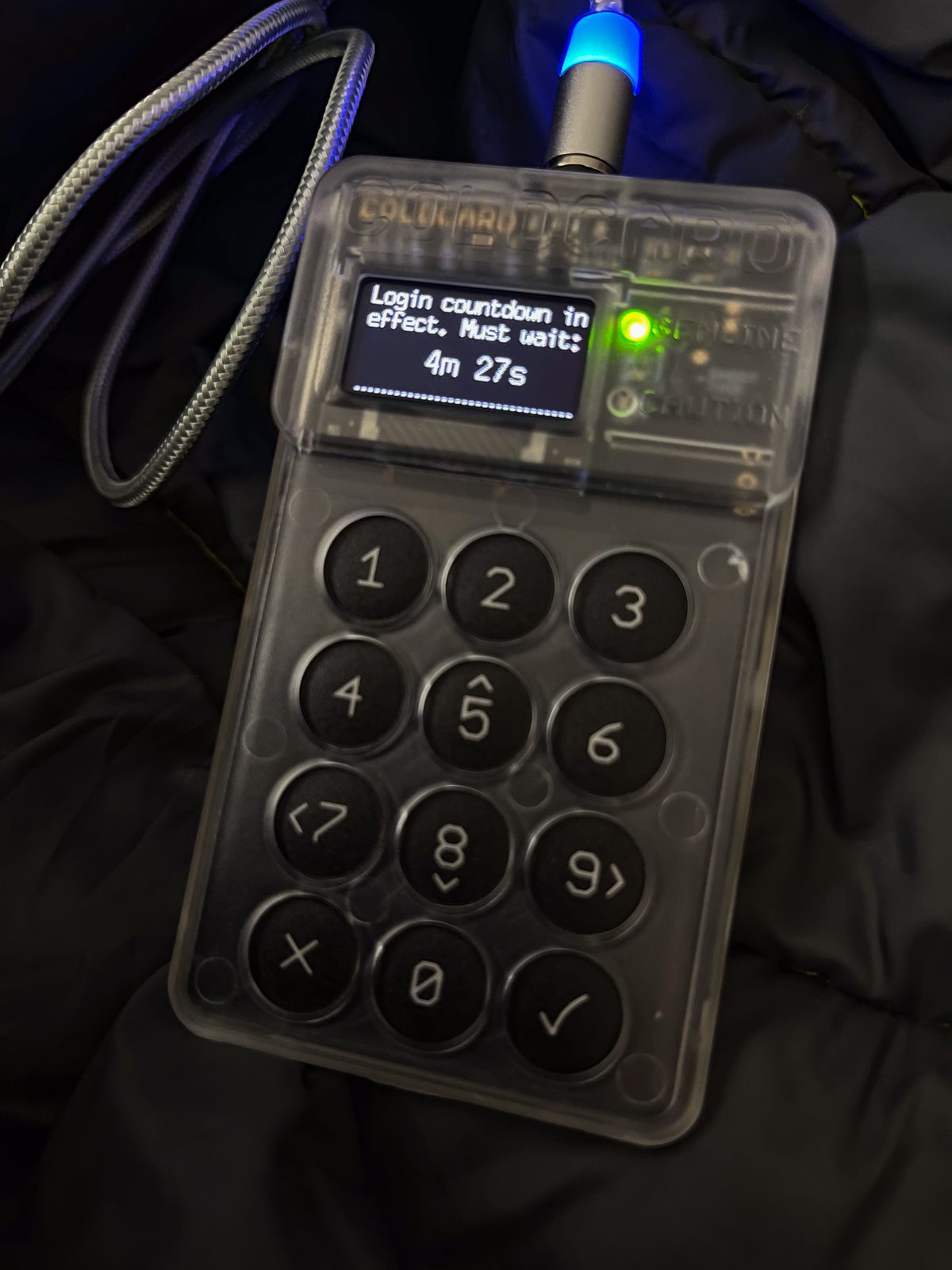
In Bitcoin, an air-gapped device is used to store private keys — the secret numbers that let you spend your coins — and to sign transactions completely offline. The keys never touch the internet at any point: not when they’re created, not when they sign, not when they’re stored. The only way to compromise the device is physical access, which is far harder and riskier for an attacker than a remote hack.
In practice, the workflow goes like this. You create an unsigned transaction on your online computer, which doesn’t hold your private keys. You move it to the air-gapped device by QR code or USB drive, sign it there on the offline device, then move the signed transaction back to the online computer to broadcast. Your private keys always travel in the opposite direction from the internet — they never cross the gap.
🌍 The Real-World Analogy
Cold War military sites kept their most sensitive communications on machines physically disconnected from any outside network. The only way to move data in or out was to walk a courier through the door. Air-gapping a Bitcoin device follows the same logic: the most important data — your private keys — lives on a machine no digital signal can reach. A thief would have to physically enter your home, find the device, and know what to do with it. Next to a hacker who can attack millions of devices worldwide at once, that’s a completely different kind of threat.
⚡ So What?
For most people holding an amount of bitcoin they wouldn’t call life-changing, a standard hardware wallet — not air-gapped, but offline during normal use — is enough. Air-gapping becomes worth the extra hassle when the amount justifies the caution: think multi-year savings, inheritance-level holdings, or a business treasury. One distinction matters most. A device you’ve simply switched WiFi off on is not air-gapped. A device that has never touched a network, and never will, is. The difference counts, because a device that was once connected may already have been compromised before you disconnected it.