
💡 The Plain-English Definition
A duress PIN is a second PIN on some hardware wallets — dedicated devices that store your private keys offline — that opens a decoy wallet holding only a small amount of bitcoin. It’s designed for situations where someone is forced to unlock their wallet under physical threat.
🤔 But Why Though?
With self-custody, your private keys are often the only thing standing between an attacker and your funds. That creates a physical-threat situation traditional banking doesn’t have: someone who knows you hold significant bitcoin might try to force you to unlock your wallet. A duress PIN turns that around by letting you comply while revealing only a decoy. The attacker unlocks a real-looking wallet with a modest balance, sees what looks like real bitcoin, and leaves — while your main holdings stay untouched behind your real PIN.
The genuine use cases are specific: a holder being robbed at home, someone crossing a border where an authoritarian government forces device unlocking, or any situation where refusing would mean physical harm. In each, the duress PIN gives you a believable, honest-looking alternative to revealing what you really hold.
There’s a fair argument that it’s partly security theatre — protection that looks better than it works. A sophisticated attacker who knows about duress PINs, and who has singled you out as a known bitcoin holder, may demand both PINs, look at the balance, and realise the small amount doesn’t add up. A skilled adversary might not be fooled. The counterargument is that most threats are opportunistic. A mugger who knows you “have some bitcoin” but not how it works is exactly the kind of threat a duress PIN handles well.
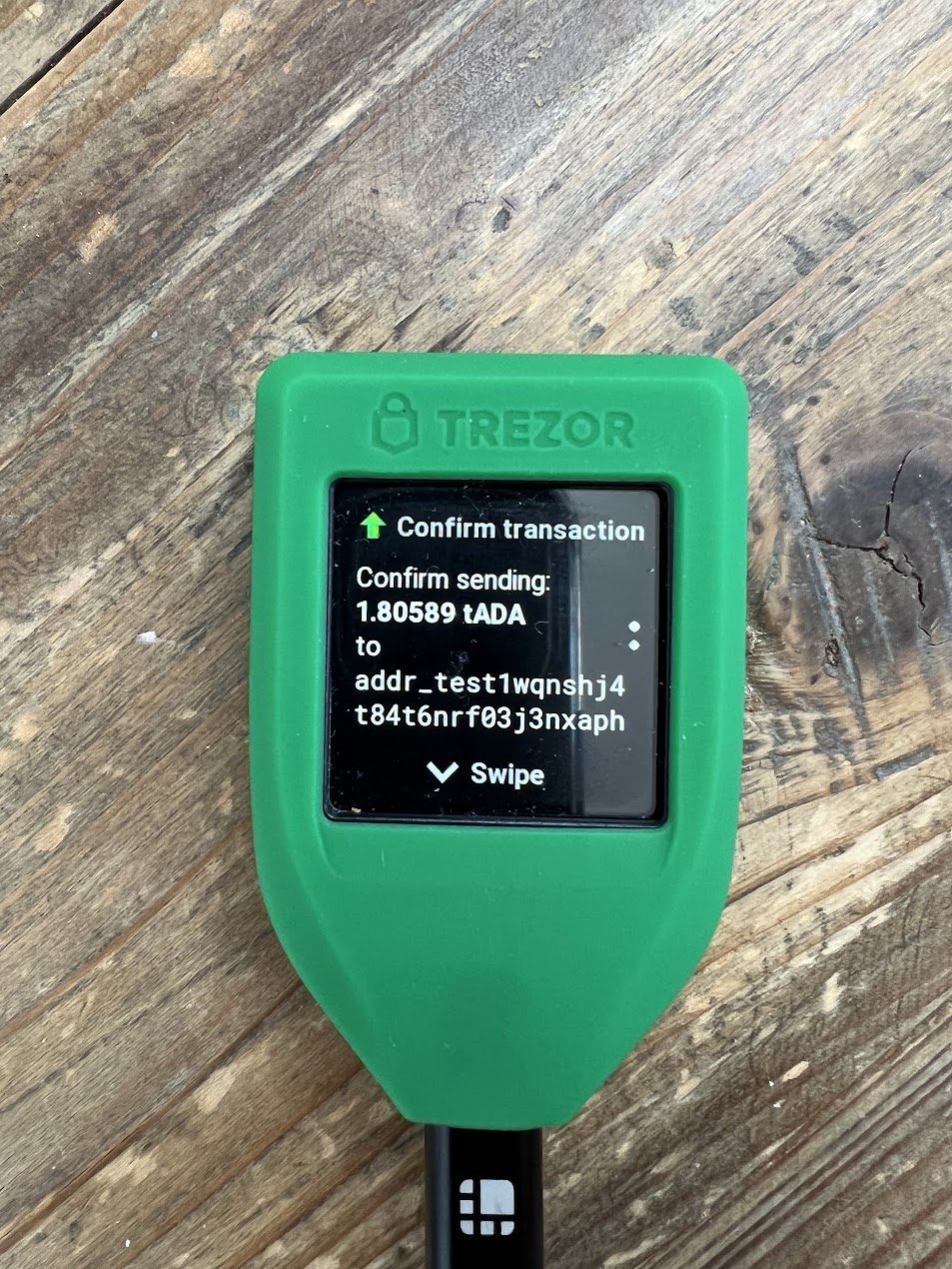
As of 2026, Trezor hardware wallets offer this through their passphrase feature. Different BIP39 passphrases — optional extra words that create completely different wallets from the same seed phrase — open different wallets, so one passphrase opens the decoy and another opens your real holdings.
🌍 The Real-World Analogy
Think of a duress PIN like a bait wallet — a second, real-looking wallet you keep in your pocket with a little cash, for exactly the mugging scenario. Plenty of travellers in high-risk areas carry one. The real wallet stays hidden, and the bait wallet satisfies the mugger. A duress PIN is the same idea, done digitally.
⚡ So What?
A duress PIN isn’t essential for most bitcoin holders — it answers a specific physical threat that most people will never face. If you live somewhere safe, keep your bitcoin dealings private, and don’t advertise your holdings, the coercion scenario is remote. But if you travel often to higher-risk places, operate under an authoritarian government, or are publicly known to hold a significant amount, setting one up is worth twenty minutes.