
💡 The Plain-English Definition
A hardware wallet is a small, dedicated device — not connected to the internet during normal use — that stores your private keys (the secret numbers that prove you own your bitcoin) in an isolated chip. It signs transactions inside the device, without ever exposing those keys to your computer or phone.
🤔 But Why Though?
The most common way bitcoin gets stolen is through malware and compromised software on internet-connected devices. A software wallet on your phone or computer keeps your private keys in the same place as your browser, your email, your downloaded files — everything else that could be compromised. A skilled attacker who gets into your computer can copy those keys silently, without you ever knowing, and empty your wallet.
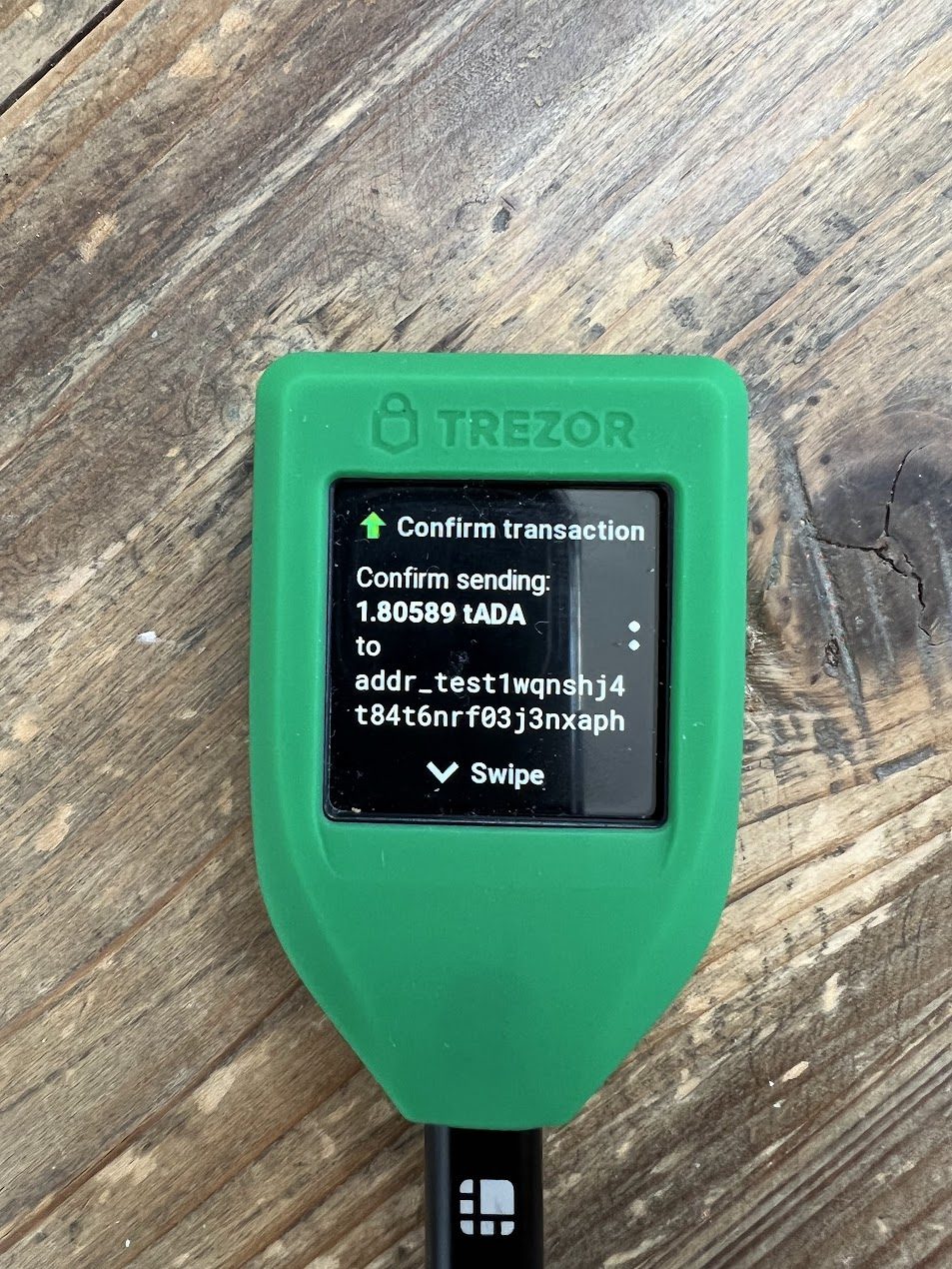
A hardware wallet fixes this by physically separating your private keys from any internet-connected device. The keys are created and stored entirely inside the wallet’s secure chip, and they never leave it. To make a payment, your computer sends the unsigned transaction to the device; the device signs it internally and sends back only the signed transaction, which can’t be used to work out the key. So even if your computer is completely infected with malware, the attacker still can’t get your private keys, because those keys never touch the computer.
So what does a hardware wallet guard against, and what does it not? It guards against remote malware and hacking — the attacks that come down the wire.
It does not guard against a few other things. It can’t help if you lose your seed phrase, the 12 or 24 words that can regenerate your keys — and if someone else finds those words, the device no longer matters. It can’t help if a thief takes both the device and your PIN. And it can’t help against a supply-chain attack, where a device is tampered with before it reaches you, which is why you should always buy from official sources.
The most important habit is to verify every receiving address on the device’s own screen, not on your computer’s. Malware can show a different address on your computer while the hardware wallet shows the real one — so the device screen is the ground truth.
🌍 The Real-World Analogy
Think of a hardware wallet like a safe that can do maths. You slide a problem in through the slot (the unsigned transaction), the safe works it out inside and slides the answer back out (the signed transaction), but the method it used — the combination — never leaves the safe. Even someone watching your computer screen never sees what’s inside. The value isn’t only the lock; it’s that the sensitive step happens entirely in a protected space.
⚡ So What?
A hardware wallet is the single most important tool for anyone holding more bitcoin than they’d be comfortable losing entirely. Setup takes about an hour, the device costs somewhere between $50 and $200, and it sharply cuts the risk of remote theft. Buy only from the official manufacturer’s website or an authorised retailer, and never buy one secondhand. When it arrives, set it up yourself — never use a device that came pre-configured with a seed phrase already printed on a card, which is a classic scam.