💡 The Plain-English Definition
Custodial means a third party holds your private keys — the secret numbers that control your coins — for you. You trust them to keep your bitcoin safe and to let you withdraw it. Non-custodial means you hold your own private keys: your bitcoin is yours unconditionally, with no middleman between you and your money.
🤔 But Why Though?
Bitcoin’s core promise is that you can be your own bank. No company needs to hold your money. No institution can freeze your account or go bankrupt with your funds. But delivering on that promise means holding your own keys — and holding your own keys means taking full responsibility for keeping them safe.
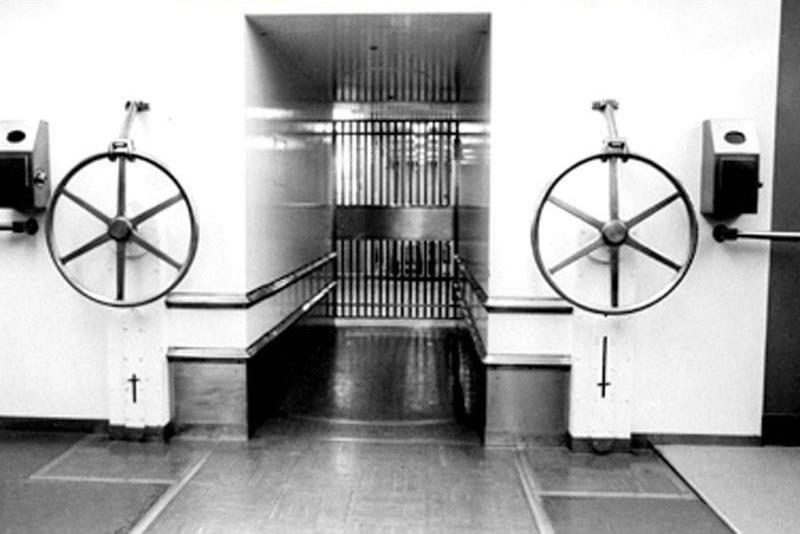
Custodial services — exchanges, custodial wallets, some ETFs (exchange-traded funds, stock-market products that track the bitcoin price) — offer convenience instead. You log in with a username and password, you can reset that password if you forget it, and customer support exists. The trade is that you own an IOU, not actual bitcoin. The service holds the real coins and owes them to you. If it goes bankrupt, freezes withdrawals, gets hacked, or is seized by regulators, your “bitcoin” may be locked away or lost.
In November 2022, FTX — then the world’s second-largest cryptocurrency exchange — collapsed in under a week, and around $8 billion of customer funds disappeared. People who had stored bitcoin on FTX owned a claim against FTX that FTX couldn’t honour. People who held their own keys were completely unaffected. That moment cemented the Bitcoin community’s long-standing warning: “Not your keys, not your coins.”
Non-custodial hands full responsibility to you. If you lose your seed phrase — the master recovery words for a wallet — the bitcoin is gone. If you lose your passphrase, an optional extra password on top of the seed phrase, it’s gone too. No customer support, no insurance, no way to appeal.
🌍 The Real-World Analogy
Custodial is like depositing gold at a bank — you have a claim to it, but the bank physically holds it. Non-custodial is like burying your own gold in your garden — you control it completely, but the map exists only in your head. The bank can go bankrupt. Your garden is only as secure as your secrecy and your memory.
⚡ So What?
Most people should use both: custodial for small amounts they’re actively trading or spending, where the convenience is worth it, and non-custodial for meaningful savings, where the security is worth the extra responsibility. The key is never to leave more in a custodial account than you’d be comfortable losing entirely if the company failed tomorrow.