
💡 The Plain-English Definition
Debasement is the deliberate reduction of a currency’s value — historically by cutting the precious-metal content of coins, and in the modern era by expanding the money supply faster than the economy grows. It’s one of the oldest tricks in the governing playbook, and it has failed every time it’s been pushed far enough.
🤔 But Why Though?
Governments throughout history have faced the same temptation. They need to pay for something — a war, a welfare programme, a palace — but they’ve already taxed as much as the population will tolerate. The move that keeps reappearing across centuries is to gradually make the money worth less: taxing people through inflation without ever calling it a tax.
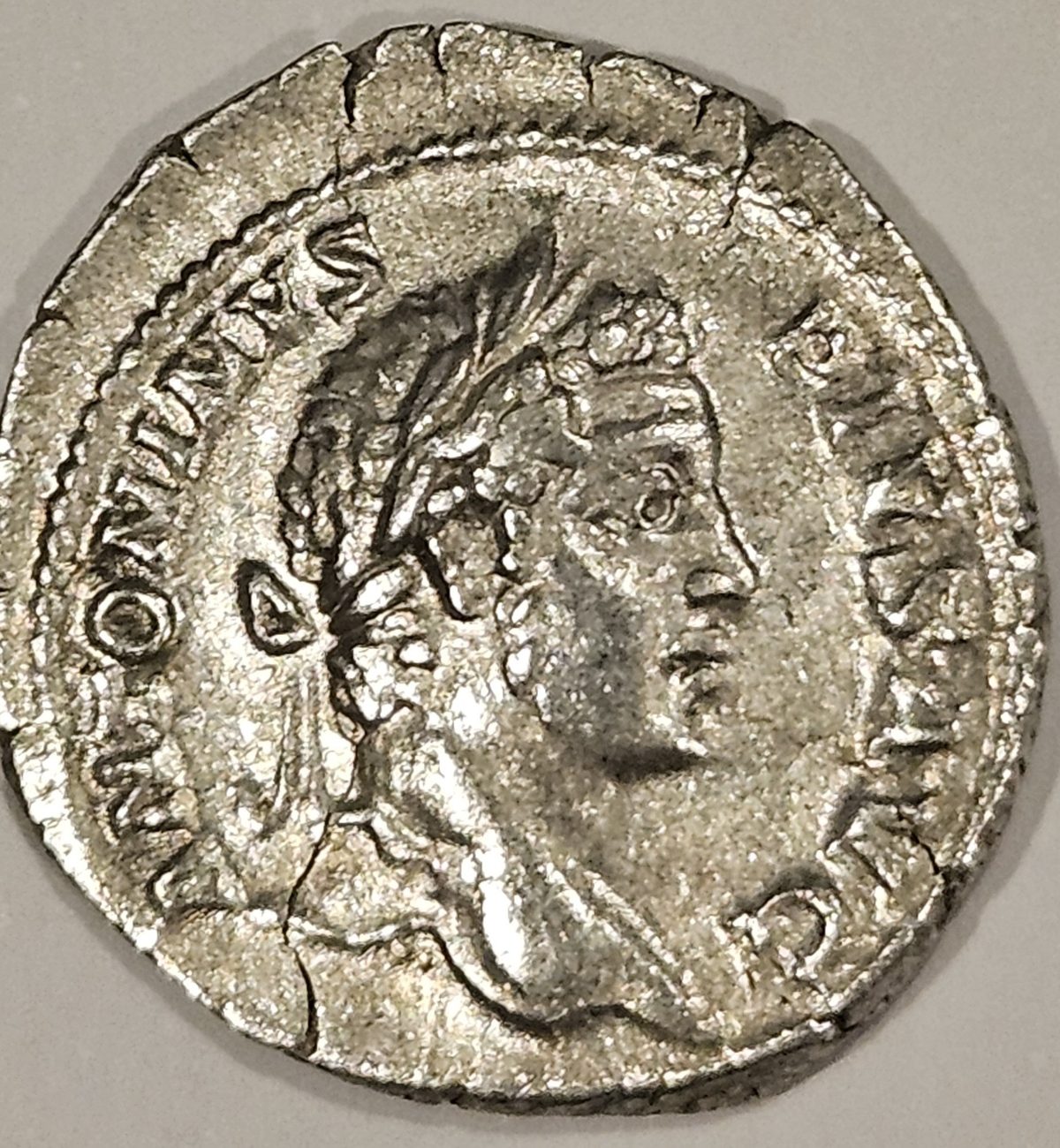
The Romans pioneered it. Their silver denarius was gradually debased over centuries — from nearly pure silver to under 5% silver — while keeping the same face value. The result was inflation, instability, and eventually monetary collapse. The pattern repeated everywhere: medieval European monarchs “clipped” coins (shaving metal from the edges), Weimar Germany printed money to pay war reparations and triggered a hyperinflation with prices doubling daily by 1923, and Zimbabwe, Venezuela, and Argentina all added their own chapters in the 20th and 21st centuries.
Today’s debasement is more sophisticated but structurally identical. When a central bank — an institution that controls a country’s money supply, like the US Federal Reserve — expands that supply through quantitative easing (creating new money to buy financial assets), or when a government runs large deficits paid for by newly created money, the result is the same: more money chasing the same goods, and falling purchasing power for anyone holding the existing money. Bitcoin is the first monetary system in history where debasement is mathematically impossible — the 21 million cap is enforced by every node (a computer running Bitcoin’s software) at once, and can’t be altered by anyone.
🌍 The Real-World Analogy
Imagine a landlord who rents you a storage unit and promises it holds exactly 100 cubic feet. You fill it completely. A year later he secretly makes the walls thinner — now it holds 80 cubic feet, but he still calls it 100. Your belongings no longer fit, and he charges you for the overflow. That’s debasement: the unit keeps its name while what it actually holds steadily shrinks.
⚡ So What?
Understanding debasement reframes what it means to “save money.” Putting money in a savings account earning 2% while inflation runs at 4% isn’t really saving — it’s losing purchasing power slowly, legally, and almost invisibly. Bitcoin’s fixed supply is designed precisely as a system where the unit of account can’t be secretly redefined. Whether that property holds up across decades of political pressure is the central long-term bet of owning Bitcoin.