💡 The Plain-English Definition
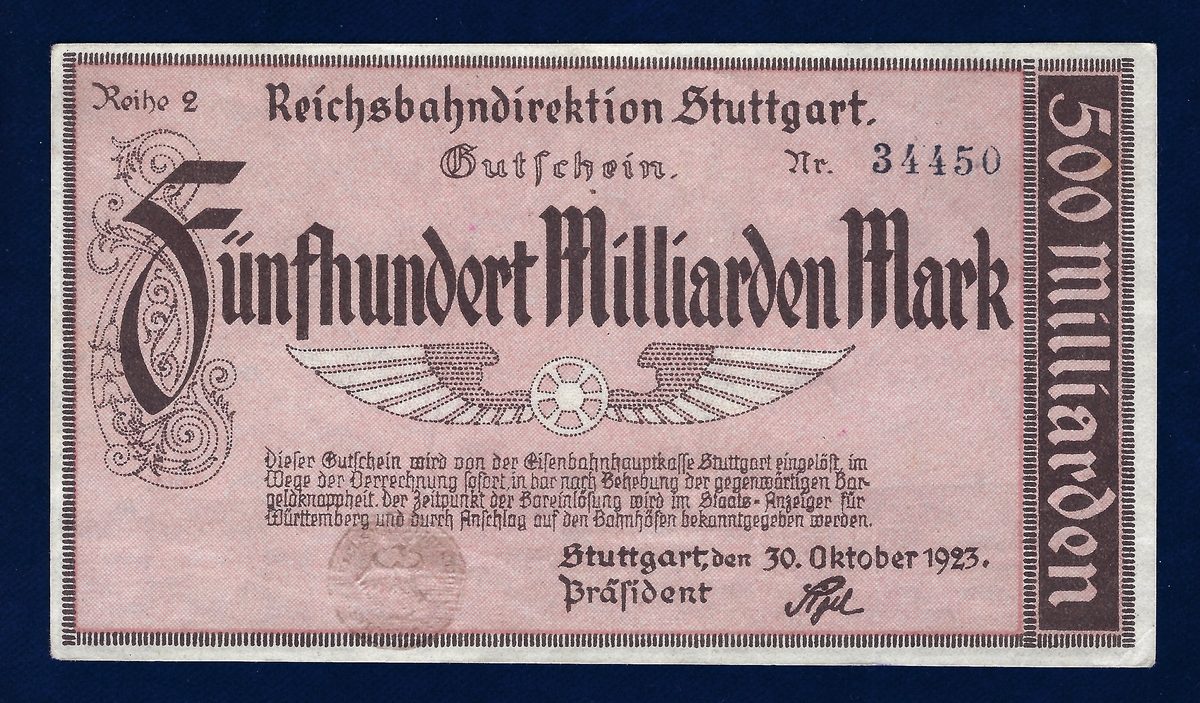
Inflation is the general rise in prices across an economy over time — or, the same thing seen from the other side, the fall in money’s purchasing power. A pound that buys a loaf of bread today will buy less bread in ten years if inflation persists. Bitcoin’s fixed supply is a structural alternative to inflationary money.
🤔 But Why Though?
Inflation is officially measured by indexes like the CPI (Consumer Price Index — a basket of commonly bought goods and services tracked over time) and the PCE (Personal Consumption Expenditures, a similar measure the US Federal Reserve uses). Critics argue these indexes systematically understate the real cost of living. Hedonic adjustments — lowering a product’s measured price because its quality improved, even though you still pay more — can pull the official number down even as real costs climb. Substitution bias — assuming people switch to cheaper alternatives when prices rise, instead of tracking the original item — understates the hit to people who can’t or don’t switch. And housing costs, especially for buyers rather than renters, are often given less weight than their real share of household budgets.
Inflation also hits different people very differently. People who own assets — property, stocks, businesses — usually see those assets rise in money terms alongside or ahead of inflation. People holding cash savings or earning fixed wages watch their purchasing power erode. This isn’t random: it reflects the Cantillon Effect, the way new money benefits whoever receives it first, before prices adjust. Central banks that create new money tend to lift asset prices first and real wages last.
Bitcoin’s objection to this is structural. With a hard cap of 21 million and a fixed issuance schedule, there’s no authority that can expand the supply. Under a Bitcoin standard, inflation caused by money-supply expansion simply couldn’t happen — though prices of individual goods would still move up and down with ordinary supply and demand.
🌍 The Real-World Analogy
Think of inflation like a slowly shrinking ruler. You measure your savings in centimetres, but each year the ruler gets a tiny bit shorter. Your savings still “measure” the same number of centimetres — but each centimetre now represents slightly less. After twenty years of 4% annual inflation, the ruler is about half its original length. The number of centimetres in your account hasn’t changed, but what those centimetres can buy has roughly halved. Bitcoin is a ruler made of steel: it doesn’t shrink.
⚡ So What?
Understanding inflation explains why simply keeping money in a bank account — earning interest below the real inflation rate — actually loses purchasing power in real terms. It explains why asset prices tend to rise over time even when no “real” value is being created. And it frames Bitcoin’s case clearly: not as a promise of returns, but as a system where the unit of account can’t be silently shrunk by any central authority. Whether that makes Bitcoin a good investment depends on many other factors — but as a response to the specific problem of monetary inflation, the logic holds together.