
💡 The Plain-English Definition
Gresham’s Law says bad money drives out good — when two currencies coexist, people spend the bad one and hoard the good one. Thiers’ Law says the opposite — good money eventually drives out bad when the bad currency collapses. Both apply to Bitcoin, just at different stages of adoption.
🤔 But Why Though?
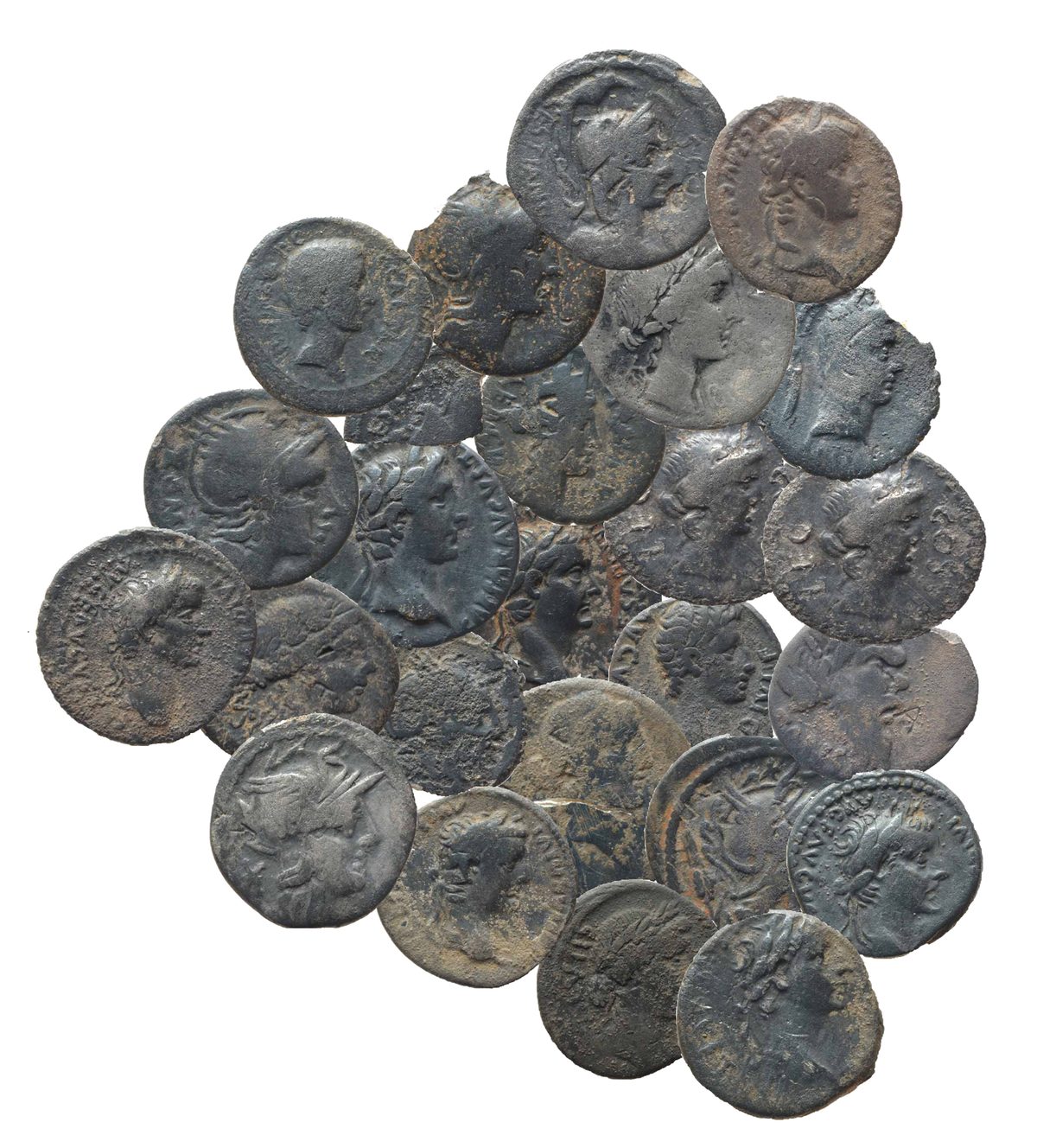
Sir Thomas Gresham observed in 16th-century England that when gold and silver coins circulated side by side, people hoarded the gold (higher intrinsic value) and spent the silver (lower value). The silver dominated circulation not because it was better, but because people rationally kept the better asset. The pattern is ancient and universal: whenever two currencies of different quality are forced to coexist at a fixed official exchange rate, the better one vanishes from circulation as people store it instead of spending it.
Applied to Bitcoin today, Gresham’s Law explains exactly what most Bitcoiners do: they spend fiat and hoard bitcoin. Fiat is inflationary — it loses value over time, so spending it now is rational. Bitcoin is expected to be deflationary — it may buy more in future, so holding it is rational. Fiat is the bad money being spent; bitcoin is the good money being hoarded. It’s why Bitcoin’s “use as a currency” numbers often look underwhelming: people aren’t spending it, and under Gresham’s Law that’s entirely rational when a better and a worse money exist side by side.
Thiers’ Law takes over at a different stage: when the bad money collapses so completely that it becomes worthless, people flee to whatever trustworthy alternative they can find. History has plenty of examples — Zimbabweans switching to US dollars when the Zimbabwean dollar hyperinflated, Venezuelans using dollars and bitcoin when the bolívar collapsed. If a major fiat currency were to suffer serious debasement or hyperinflation, Thiers’ Law predicts a flight toward harder alternatives — Bitcoin among them.
🌍 The Real-World Analogy
Think of a household with two kinds of wine: an expensive vintage bottle and cheap table wine. Every dinner, the family opens the cheap wine; the expensive bottle stays in the cellar, saved for a special occasion that never quite arrives. The cheap wine gets consumed (spent), the good wine gets stored (hoarded). That’s Gresham’s Law. Now imagine the cheap wine turns to vinegar — suddenly the household opens the good bottle, because it’s all that’s left. That’s Thiers’ Law: the collapse of the bad option forces use of the good one.
⚡ So What?
Understanding both laws reframes what Bitcoin adoption actually looks like. The “why doesn’t anyone spend Bitcoin?” criticism misreads the dynamic — rational people hoard sound money and spend weak money. That’s not a bug; it’s Gresham’s Law working exactly as expected. The more interesting question is whether conditions ever arise for Thiers’ Law to take over — whether fiat weakness ever gets severe enough to force the shift from voluntary hoarding to necessary use. That’s the scenario hyperbitcoinisation describes.