💡 The Plain-English Definition
Fiat currency is money that has value because a government says it does — not because it’s backed by a commodity like gold or silver. Every currency in the world today is fiat, including the US dollar, the euro, the British pound, and the Indonesian rupiah.
🤔 But Why Though?
The word “fiat” comes from Latin for “let it be done” — a decree. Fiat money gets its value from government authority and legal-tender laws (laws requiring it to be accepted to settle debts), not from any built-in value or the ability to swap it for something physical. For most of history, money had commodity backing — coins made of precious metal, or paper notes you could exchange for gold. The US dollar was backed by gold at a fixed rate until August 1971, when President Nixon ended dollar-for-gold convertibility, completing the world’s shift to pure fiat.
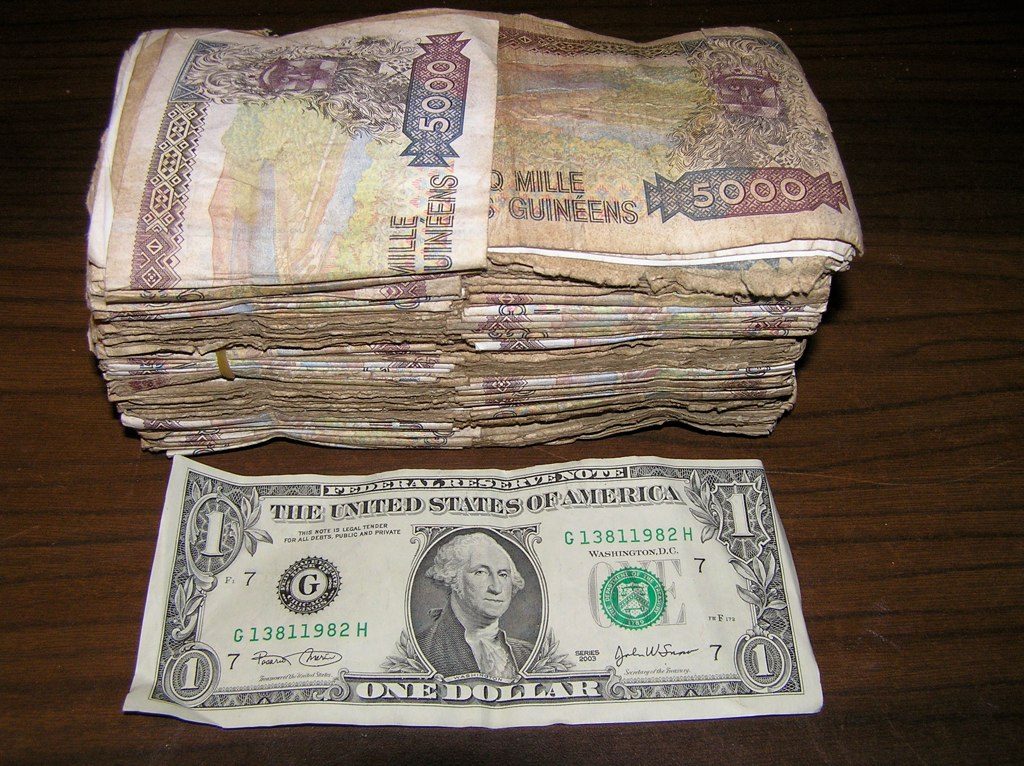
The structural differences from Bitcoin are significant. Fiat has no supply cap: central banks can and do expand the money supply. The US M2 measure of money in circulation (which includes savings accounts) grew from $15 trillion in 2020 to $21 trillion in 2022 — a 40% increase in two years. Fiat is controlled by central banks and governments, which can change monetary policy, freeze accounts, and seize assets. Fiat depends on trusting the issuing institution to keep managing the currency responsibly. And historically, no fiat currency has kept its value forever — all have suffered inflation, many severe inflation, and some have collapsed entirely. Germany in 1923 and Zimbabwe in 2008 are two of the best-known examples.
🌍 The Real-World Analogy
Fiat currency is like a cinema voucher the chain issues and promises to honour. It has no built-in value — it’s just a piece of paper. It’s valuable because the cinema is large, reputable, and everyone accepts the voucher for entry. But if the cinema goes bankrupt, changes its policy, or simply prints too many vouchers, their value collapses. Bitcoin is closer to a ticket stub from a show that already happened — its scarcity is a fact of history, not a promise from an institution.
⚡ So What?
Understanding fiat is understanding what Bitcoin is designed to replace — or at least offer an alternative to. The critique isn’t that fiat is evil or worthless; it’s that it’s a trust-dependent system that has consistently been abused over time. Every Bitcoiner’s conviction ultimately rests on the view that fiat’s structural weaknesses — unlimited supply, centralised control, dependence on an institution — are serious enough to warrant holding an alternative. Understanding fiat clearly is what makes that view coherent rather than merely ideological.