💡 The Plain-English Definition
A store of value is anything that holds its purchasing power over time — something you can earn today, set aside, and trade later for a similar amount of goods and services (or more). Holding value across time is one of money’s three core jobs, and it’s the one Bitcoin does best — the foundation of the long-term case for owning it.
🤔 But Why Though?
Money does three jobs. It’s a medium of exchange (you can spend it), a unit of account (prices get quoted in it), and a store of value (it holds its worth over time). Today, Bitcoin is used mainly for that third job — it’s what its design is best suited to, and what most holders actually use it for.
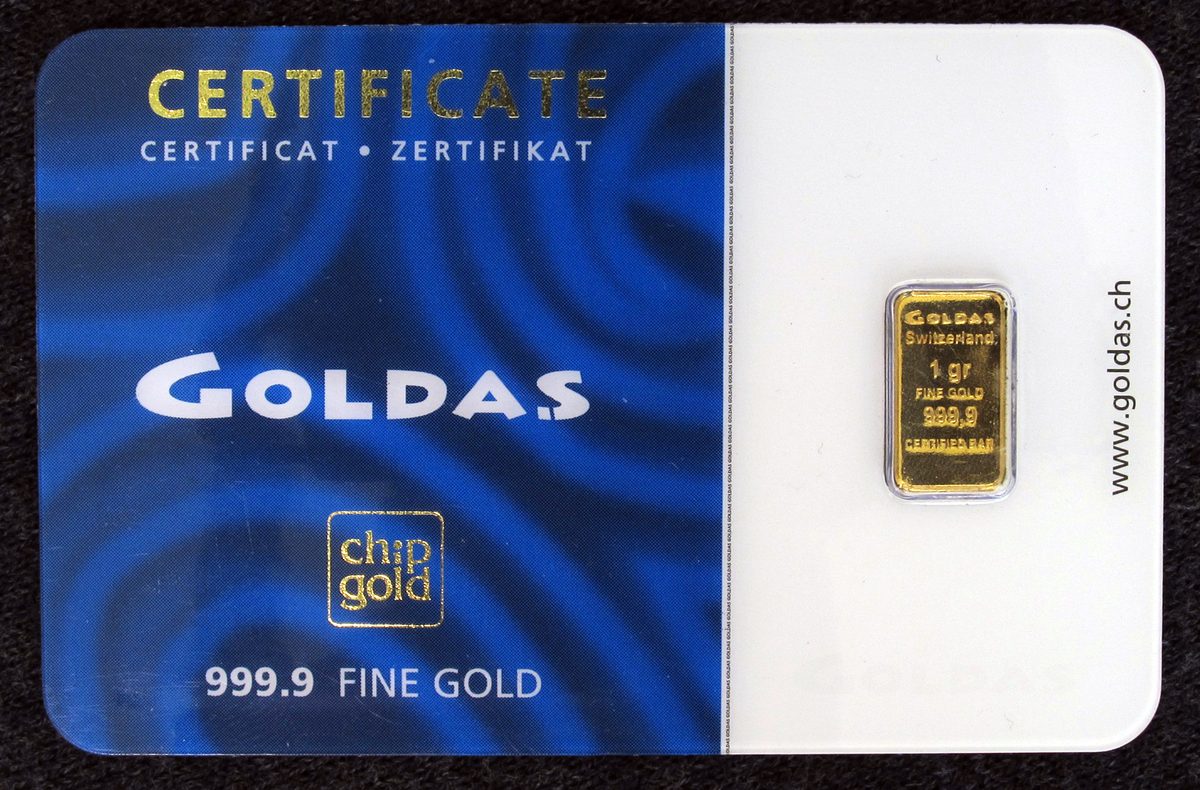
A good store of value needs four things: it has to be scarce (a supply that can’t be inflated at will), durable (it won’t rot or degrade), widely accepted (other people will take it), and liquid enough that you can turn it into other things without a big loss. Gold is the reigning champion — it has met these conditions reasonably well for thousands of years. Bitcoin meets them too, with some upgrades (more portable, more divisible, easier to verify, a harder supply cap) and one real weakness: volatility.
An honest assessment starts with what the data actually shows. Over any four-year stretch, Bitcoin has not just held its purchasing power but grown it dramatically — every four-year period in its history has ended higher than it began. Over a single year, though, its volatility makes it unreliable: it can drop 70–80% in a bear market. So Bitcoin is a store of value for patient holders with long time horizons — not for anyone who might need to cash out within a year.
Will that volatility keep shrinking as the market matures — eventually making Bitcoin dependable over shorter spans too? That’s a genuinely open question, and only future cycles will answer it.
🌍 The Real-World Analogy
Judging a store of value is like judging a bridge. One that's carried traffic reliably for 200 years has proven it can bear the load; a brand-new design might be sound, but it hasn't been tested by time. Gold is the 200-year-old bridge. Bitcoin is the bold new engineering — arguably better in its design, but with a shorter track record. Every year it keeps standing, more people trust it to carry their weight.
⚡ So What?
As a store of value, Bitcoin fits money you genuinely won’t need for at least four years — ideally longer. Using it for short-term savings, an emergency fund, or cash you’ll need next year is a category error: over those short spans, the volatility can burn you. Its track record over four-year periods is the heart of the case for it; its swings over shorter periods are the heart of the caution. And the claim was never “Bitcoin always goes up” — it’s the narrower, more honest one: “over long enough horizons, it has so far held and grown purchasing power.”